
3DCS Variation Analyst | Tolerance & Variation Analysis Software India | TVSPL
3D tolerance stack-up, sensitivity, and assembly simulation software for automotive, defence/aerospace, and industrial machinery manufacturers. Powered by 3DCS.
Stop Finding Tolerance Problems on the Shop Floor
Most tolerance issues aren't discovered in design — they're discovered on the line, after the parts are already built. Variation Analysis moves that discovery back to where it's cheap to fix.
See the Benchmark ↗Catch Variation Before It Costs You.
A single unmanaged tolerance stack-up can cascade into scrap, rework, and warranty cost long after the design is locked. Variation Analysis catches it while it's still just a number on a screen.
Tolerance Analysis
Validate GD&T stack-ups before manufacturing.
Sensitivity Analysis
Identify which dimensions actually drive variation.
What-If Studies
Test design changes without cutting a single part.
Assembly Simulation
Simulate how parts come together under real-world variation.
Process Simulation
Model how manufacturing variation compounds across an assembly.
Built for Real-World Manufacturing.
Variation Analysis helps engineering teams identify and control tolerance variation across the industries where assembly accuracy matters most.

Automotive
BIW assemblies and interior/exterior trim, where tolerance stack-ups routinely exceed spec without simulation.
Explore Automotive →

Defence / Aerospace
Fuselage and wing assemblies, where tight tolerances leave little room for late discovery.
Explore Defence / Aerospace →
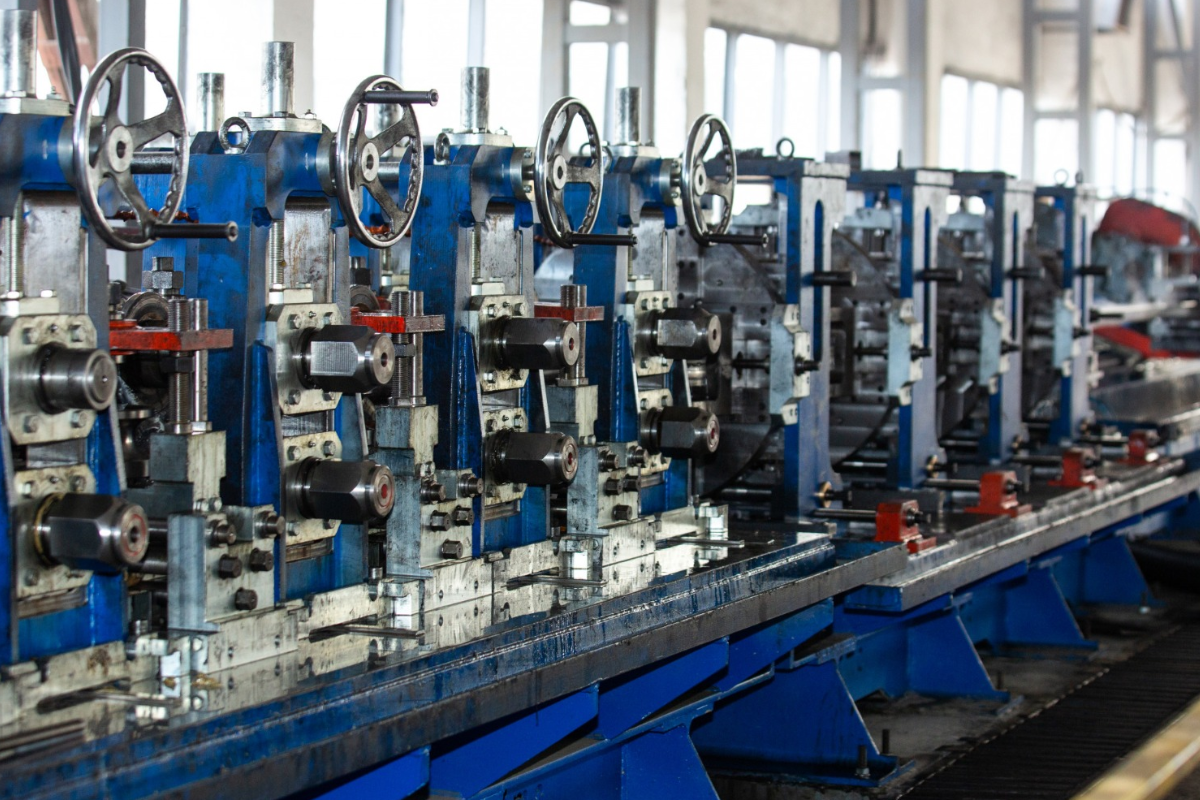
Industrial Machinery
Multi-part frames and load paths, where compounding tolerance error is costly to trace after assembly.
Explore Industrial Machinery →Where You Design
Tolerance Analysis Inside Your CAD Workflow.
3DCS integrates directly into your existing CAD environment — SOLIDWORKS, CATIA, NX, Creo, and Inventor — so tolerance analysis happens inside the workflow your team already uses, not as a separate step.
See 3DCS ↗
Proven Where
Precision Matters.
3DCS already underpins tolerance work at this scale: McLaren models its entire vehicle — 350 parts, 5,400 measurement points, 2,500 groups — from styling theme through pre-production sign-off. Mahindra uses it to optimize suspension kinematics (camber, caster, toe) across the range of motion, and Valeo relies on it to keep Heads-Up Display optics and steering-column contact safety within spec.
McLaren
Full-Vehicle Tolerance Modelling
Models its entire vehicle with 3DCS across 350 parts, 5,400 measurement points, and 2,500 tolerance groups — from styling theme through pre-production sign-off.
Mahindra
Suspension Kinematic Optimization
Uses 3DCS to optimize suspension kinematics — including camber, caster, and toe — across the full range of motion.
Valeo
HUD & Steering Column Tolerance
Relies on 3DCS to keep Heads-Up Display optics and steering-column contact safety within specification.
Request a Demo.
See how the right engineering technology can help your team simulate, validate, and optimize the challenges that matter most.
Request a Demo ↗